
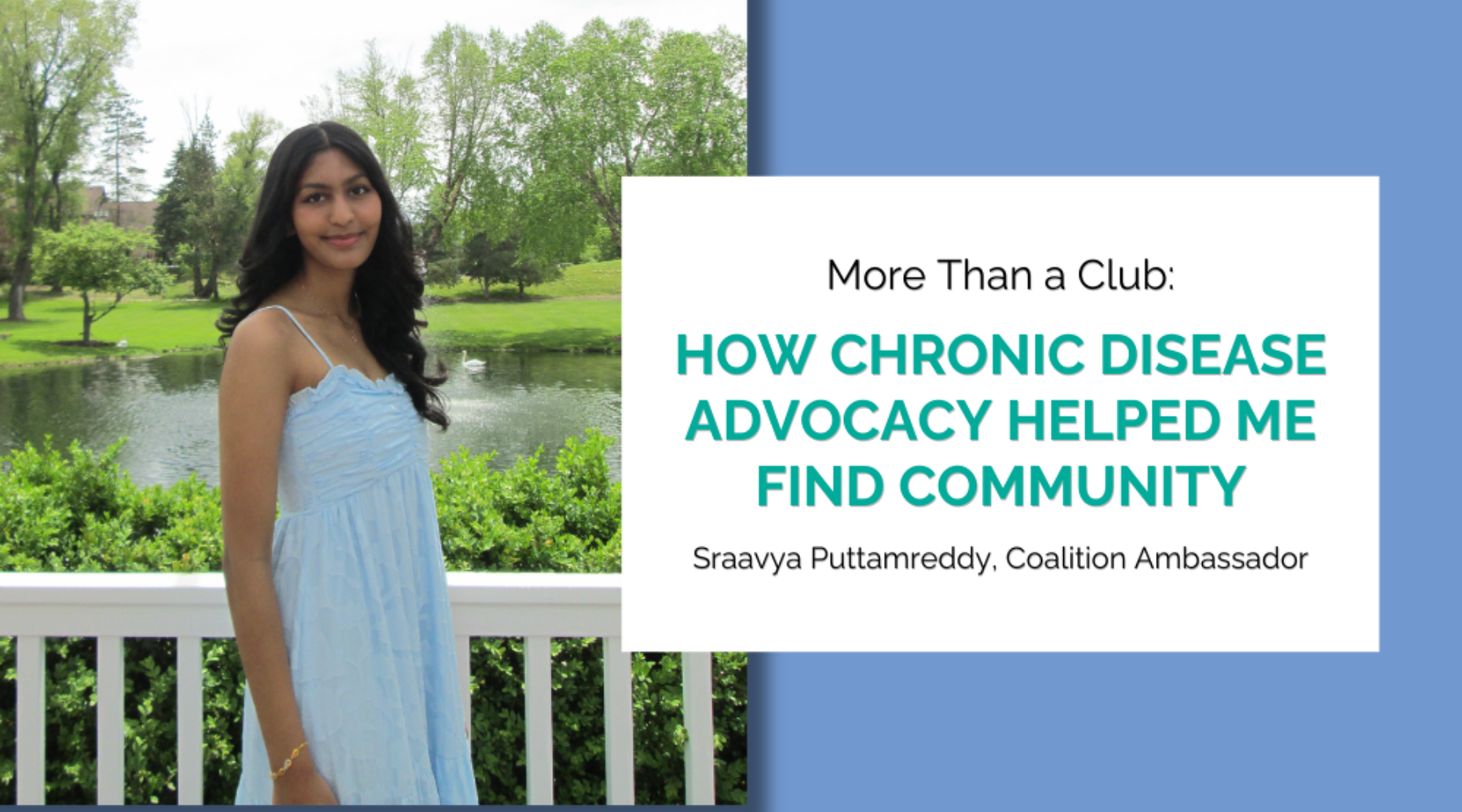
When I joined the Chronic Disease Awareness Club as a freshman, I wanted to get involved in something that could make a meaningful difference in my community. What I did not realize at the time was how much the experience would shape my understanding of health and advocacy.
Showing Up to Help Others
Over the past four years, I have had the opportunity to help lead initiatives focused on raising awareness and support for individuals living with chronic illnesses. From organizing educational presentations to fundraising events, our goal was always the same: to help others better understand chronic diseases and the impact they have on millions of people every day.
One of our most visible efforts involved hosting bake sales at high school basketball games. While these events raised money for organizations dedicated to chronic disease research and support, they also gave us a chance to engage directly with members of our community. We used posters, informational materials, and conversations to encourage people to think about the importance of long-term health and disease prevention.
A $50 Bill and a Realization
One interaction from those events has stayed with me. During a basketball game, an older man approached our table and handed us a $50 bill. When we offered him baked goods in return, he politely declined. Instead, he shared his story. He told us that he had undergone multiple heart surgeries throughout his life and wished that, when he was younger, there had been opportunities like our awareness booth. He explained that many people do not realize the consequences of unhealthy habits until they are faced with serious health complications. He thanked us for educating others about protecting their health and preventing disease before it starts.
After speaking with him, I realized that awareness itself can be powerful. Sometimes, a single conversation can encourage someone to make healthier choices or learn more about a condition affecting themselves or a loved one.
Education was another major focus of our club. Throughout high school, I helped create and deliver presentations on chronic illnesses such as Amyotrophic Lateral Sclerosis (ALS) and other long-term conditions. Researching these diseases taught me about the physical, emotional, and financial challenges many patients face. More importantly, it taught me that awareness is often the first step toward compassion. When people understand what others are experiencing, they are more likely to support research, advocate for patients, and challenge misconceptions.
From Advocate to Witness
While these experiences were meaningful, chronic disease awareness became much more personal when my cousin was diagnosed with Myalgic Encephalomyelitis/Chronic Fatigue Syndrome (ME/CFS). Before her diagnosis, chronic diseases were topics I researched and discussed in club meetings. Afterward, they became something I witnessed firsthand.
Watching someone I care about navigate the challenges of a chronic illness gave me a deeper appreciation for the realities many patients face every day.
I saw how symptoms can affect school, work, relationships, and daily routines. I also learned how difficult it can be to live with a condition that is often misunderstood by others. Her diagnosis reminded me that behind every statistic, presentation, or awareness campaign is a real person whose life has been changed by disease.
A Perspective I'll Carry into What's Next
Looking back on my four years in the Chronic Disease Awareness Club, I am grateful for the opportunities it gave me. As I prepare to start college this fall, I know that the lessons I learned through this club will stay with me. Chronic disease awareness is a perspective that has shaped how I understand health and the responsibility we all share in building a more informed and compassionate community.