
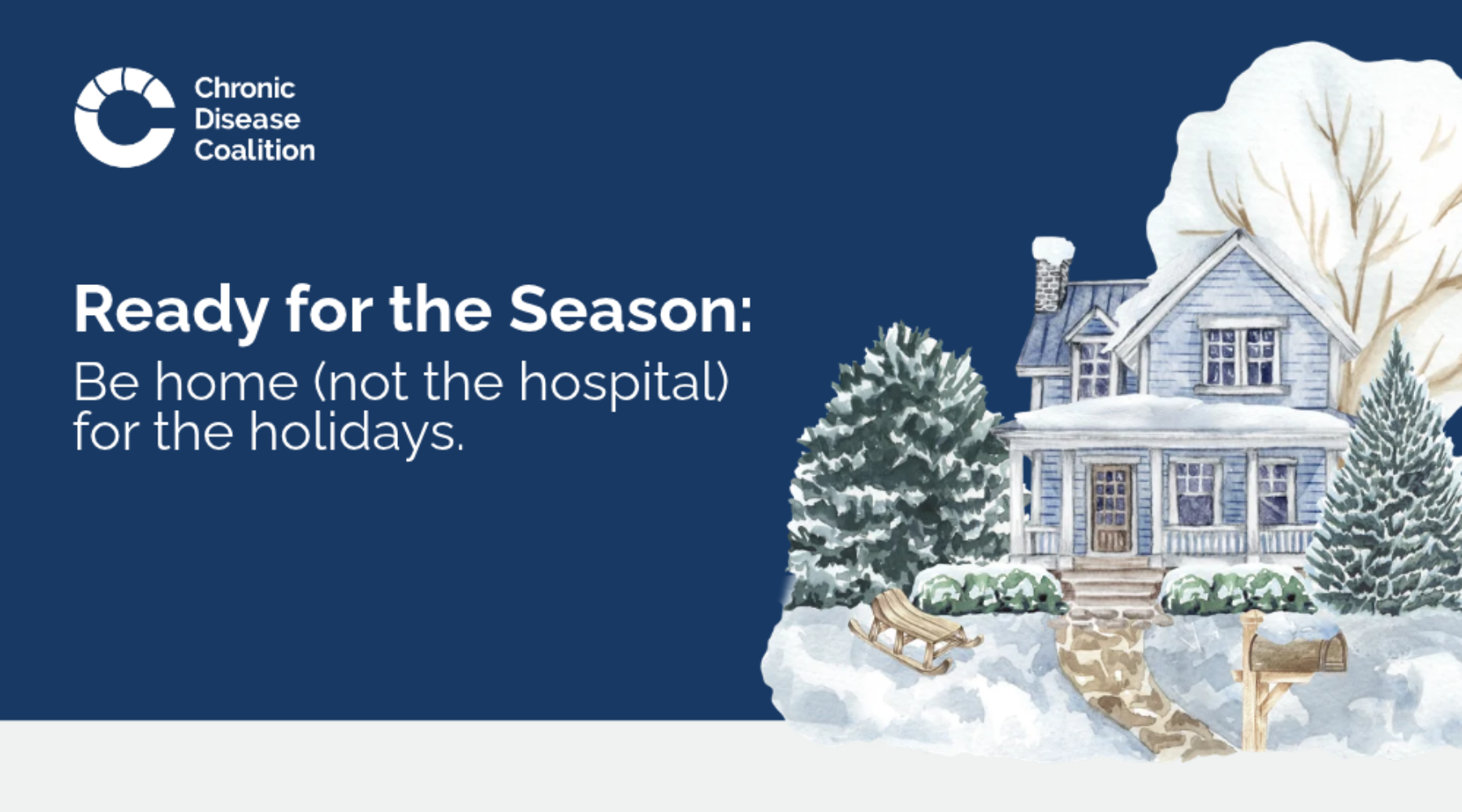
The holidays are almost here. Soon we’ll be gathering around tables, traveling to see family, and cheering at school concerts. It’s also respiratory virus season. Flu, COVID-19 and RSV spread more easily in colder months, and the season runs from October through mid-May.
Here’s the truth about vaccines: they don’t promise you’ll never get sick. That’s not their job. Their job is to train your immune system ahead of time so that if a virus does show up, your body is ready to fight back. That readiness could protect you from getting sick completely, but it could also be the difference between a few days on the couch and a stay in the hospital.
Why this matters for people with chronic conditions
For the millions of us living with heart disease, diabetes, asthma, kidney disease or other chronic conditions, a respiratory virus is rarely “just a cold.” In recent flu seasons, nine out of ten people hospitalized with flu had at least one underlying health condition. For people with heart disease, flu can bring a higher risk of other major health events like heart attacks or strokes.
The good news is that vaccines work. Annual flu vaccination lowers the chance of hospitalization by 37%, and the risk of intensive care admission by 82% for people with chronic health conditions, according to the American Lung Association, American Diabetes Association and American Heart Association.
Protecting the people around us
Vaccines also help slow the spread. When fewer people get seriously sick, fewer people pass viruses along to a new baby, a grandparent, or a neighbor going through cancer treatment. Getting vaccinated is one simple way we look out for each other.
Good for families and budgets
Staying healthy saves money, too. Flu cost the U.S. economy nearly $29 billion and contributed to more than 27,000 adult deaths during the 2023–24 season. That includes medical costs and lost productivity caused by missed work, caregiving and early deaths.
Every time we can avoid a hospital stay, we also avoid medical bills, missed paychecks, and time with the people who matter.
What you can do now
- Talk with your doctor or pharmacist about which vaccines are right for you. Recommendations depend on your age and health, and be sure to mention if you have vulnerable people in your life. Newborns, organ recipients, cancer patients and many other groups are at high risk, and you may want to know more about how to protect them.
- Flu, COVID and RSV shots are already available at major pharmacy chains and often covered by health insurance.
- You can usually get more than one at the same visit. Getting COVID-19, flu and RSV vaccines together is safe. Talk with a trusted provider about what is right for you.
This season, let’s give ourselves and our loved ones the best chance to spend the holidays together: around the table, not a hospital bed.