
By Mary Kay Clunies-Ross, Executive Director, Chronic Disease Coalition
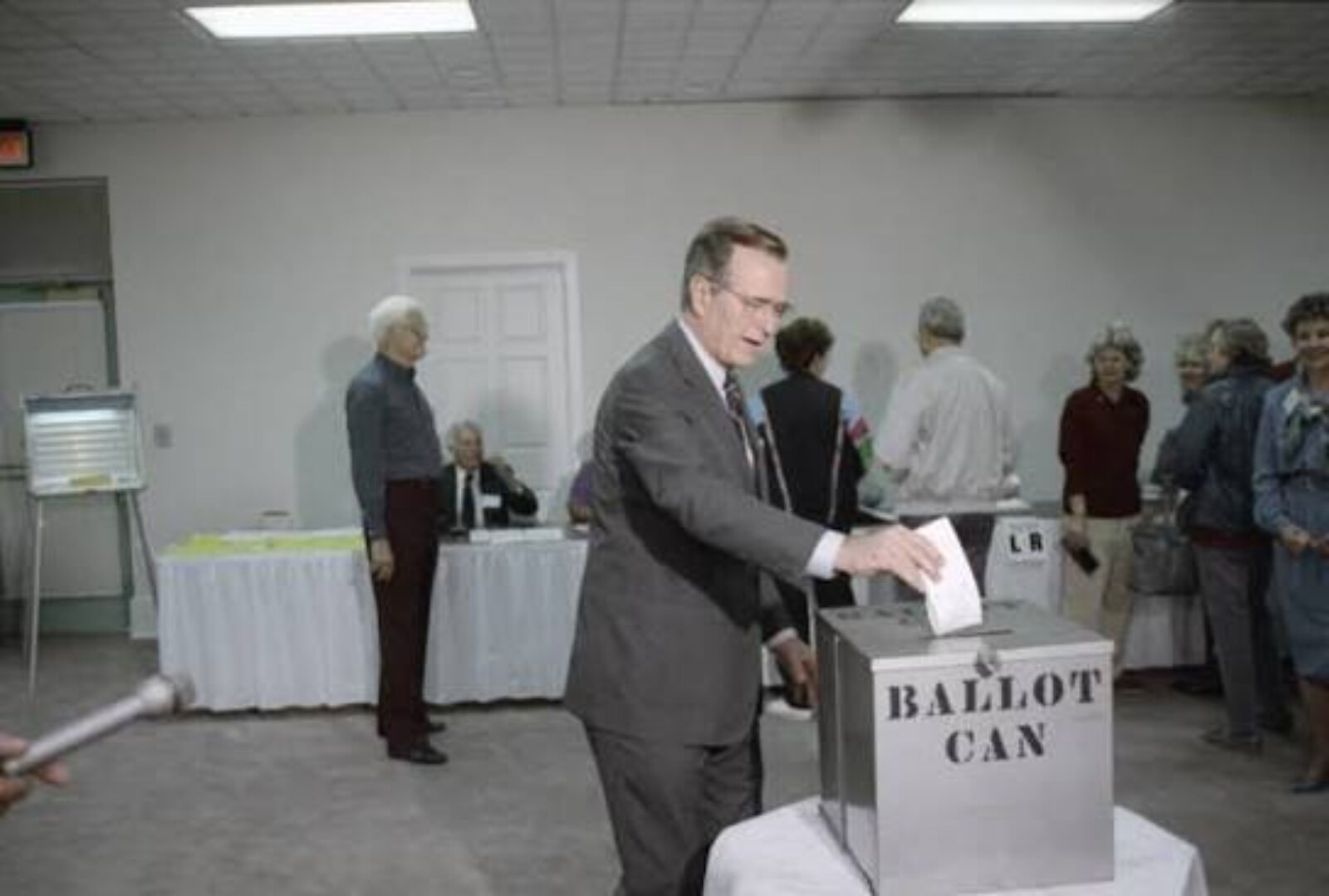
Voting in person is a truly special experience. We’ve seen presidents travel to their home precincts to vote; we’ve seen neighbors line up; we’ve brought our children into the booth to teach them about their responsibility to vote.
Here’s what we can’t lose sight of: voting is everyone’s responsibility—not just the people who can stand and walk in.
Service members, factory shift workers, hospital caregivers, parents of new babies, people taking care of aging parents, people with chronic diseases that takes away our energy and mobility— voting is something we all have the right and responsibility to do.
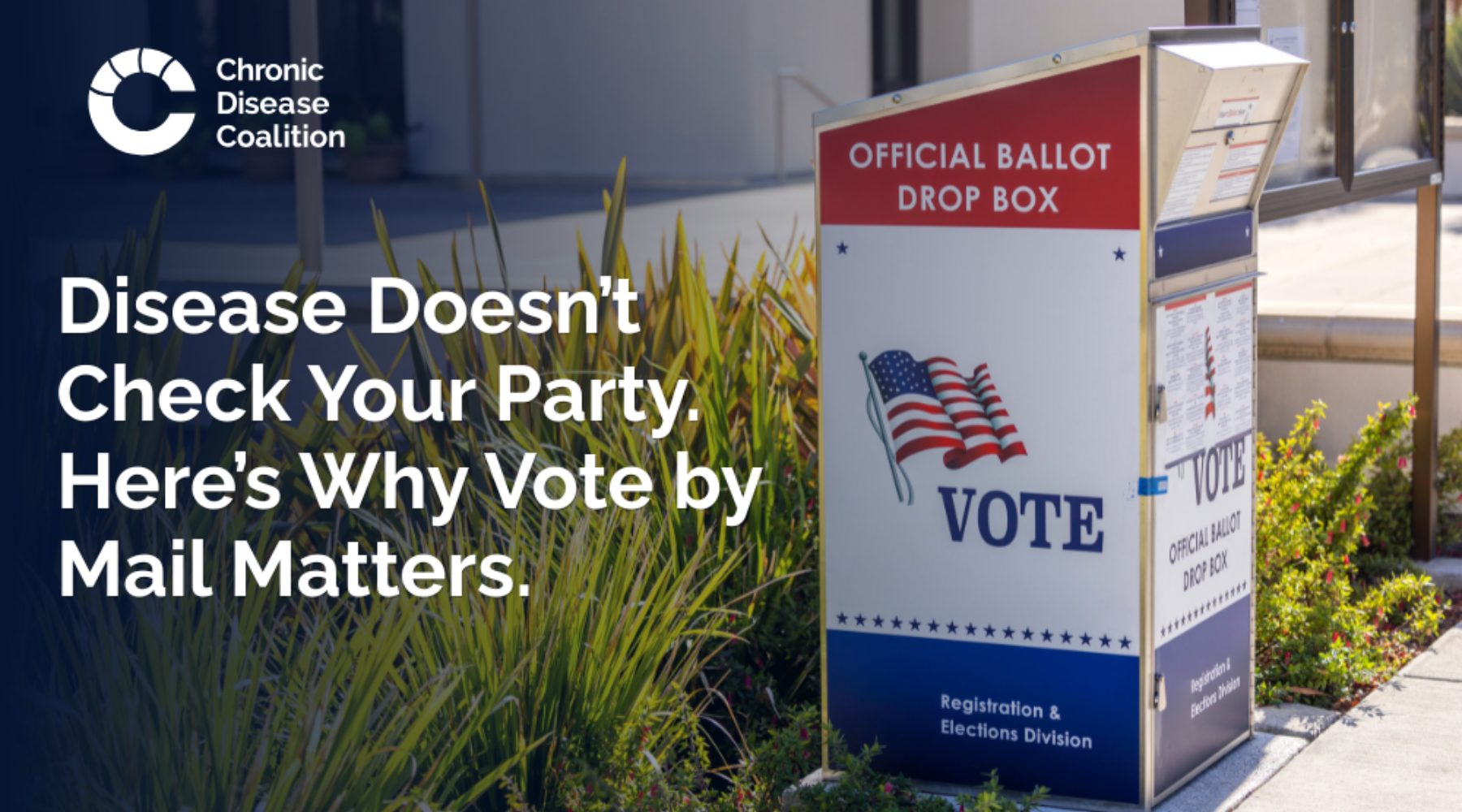
People managing chronic disease are incredibly vulnerable to being left out of the political process, which is why representation has always been a central goal of the Chronic Disease Coalition. And in elections, mail-in ballots are how we show up.
We're not a small group. We're most of America.
More than 3 in 4 American adults live with at least one chronic condition. That's about 194 million people.
Diabetes, kidney disease, arthritis, IBD, cancer, rare disease: none of them check your political party— we’re all vulnerable.
Another reason for chronic disease patients to vote—and vote by mail—we’re all passionate about building a better healthcare system for all Americans.
Our own national poll of 1,000 patients showed it: they vote with their health in mind. For 20%, a candidate's position on health care and chronic disease is their primary issue. Another 47% said it's a top issue.
Access: Voting should work on a hard day, too.
Some days you feel fine. Other days, you're at an infusion, in a flare, or just can't stand in a long line.
Voting by mail lets you vote no matter how you feel, from your own kitchen table.
This isn't just a feeling. A study for the U.S. Election Assistance Commission found that in 2022, voters with disabilities had a 20% chance of trouble voting in person. By mail, that dropped to 6%-- that’s a lot of voters who otherwise would have been left out.
Affordability: Your vote shouldn't cost you a shift.
Patients already spend a lot of time and money on care. A trip to the polls can mean lost wages, a ride, gas, or parking. For caregivers, it can mean finding someone to cover. A mail ballot takes away the literal cost of voting.
Safe, secure, and counted.
Here's the good news: we don't have to choose between easy and secure. Voting by mail is both.
Most states let voters fix a problem on their ballot envelope, like a missing signature. Nationally, 98.8% of mail ballots that voters returned in 2024 were counted. More than 98% of election offices used paper ballots or a paper record that can be checked.
Vote by mail isn't new, and it isn't one side's idea. About 30% of voters used it in 2024. Military members and Americans overseas rely on it, as do do many older and rural voters.
WE THE PEOPLE decide.
Personally, I've always believed voting is one of the best ways we can look out for each other. I want to be able to choose leaders who are going to take care of my whole community.
Professionally, I see every day how the people we elect are the ones who influence healthcare costs, insurance rules, and access to care. When patients vote, lawmakers listen. When we sit out, decisions get made without us.
We're not telling anyone how to vote. We just want every patient and caregiver to have a real chance to do it.
Here's what you can do this week:
- Check your state's mail ballot rules and deadlines at vote.gov
- Sign our letter asking elected officials to protect vote by mail for the long term
- Check where candidates stand with our Voter Guide
- Request your ballot early if your state requires it
- Sign it exactly as your state asks, and send it back well before the deadline
- Track your ballot if your state offers tracking
Prefer to vote in person? Great! Just make a plan and get out there.
Let's show up – together.