
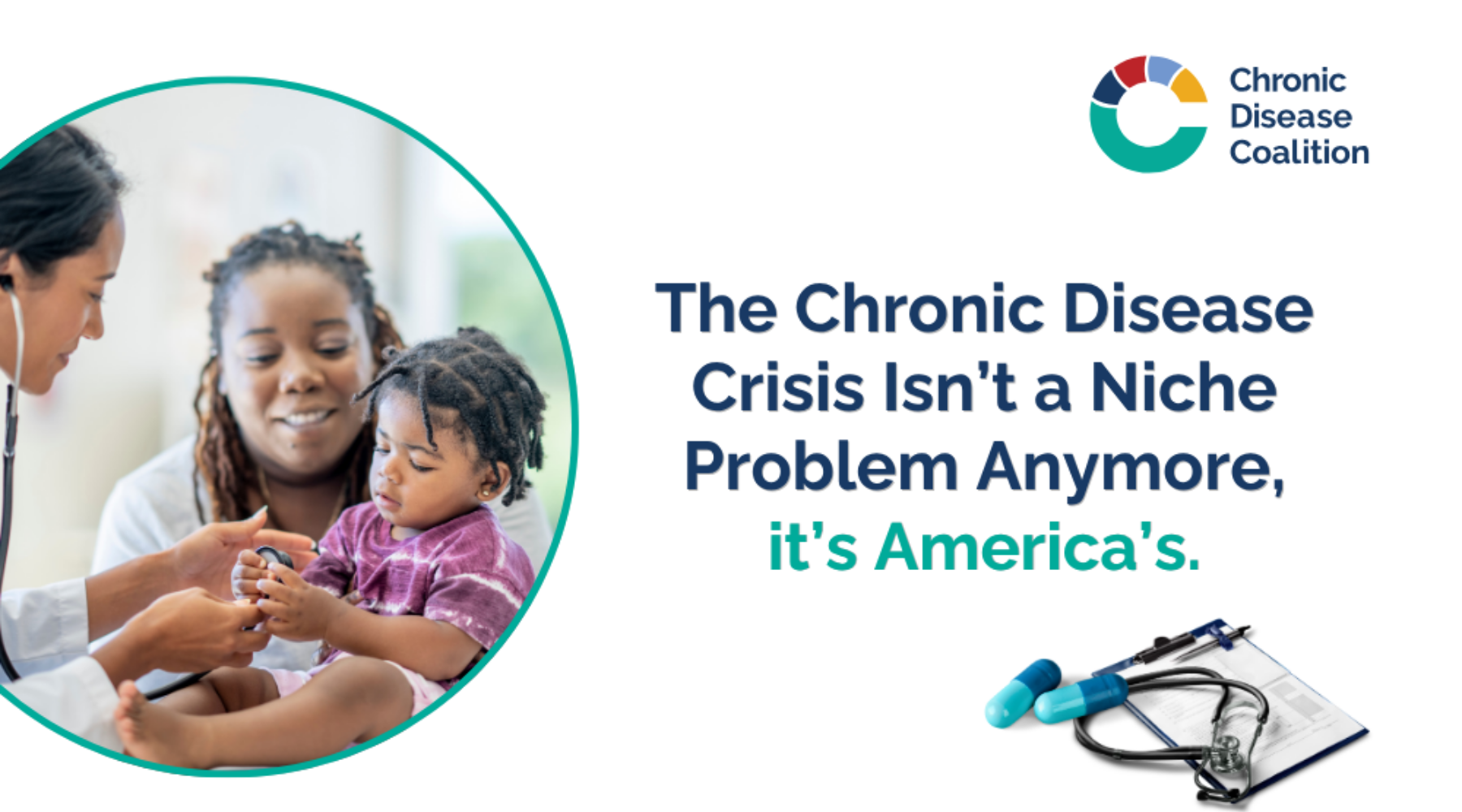
Three in four U.S. adults live with at least once chronic condition. Recent data make clear this is not a niche health issue, it's a defining challenge of American public health.
When you picture someone living with a chronic illness, chances are you imagine an older adult managing a single condition late in life. But that picture is dangerously out of date. Today, chronic disease touches virtually every American household, every age group, and every corner of the country and the numbers behind this reality are striking.
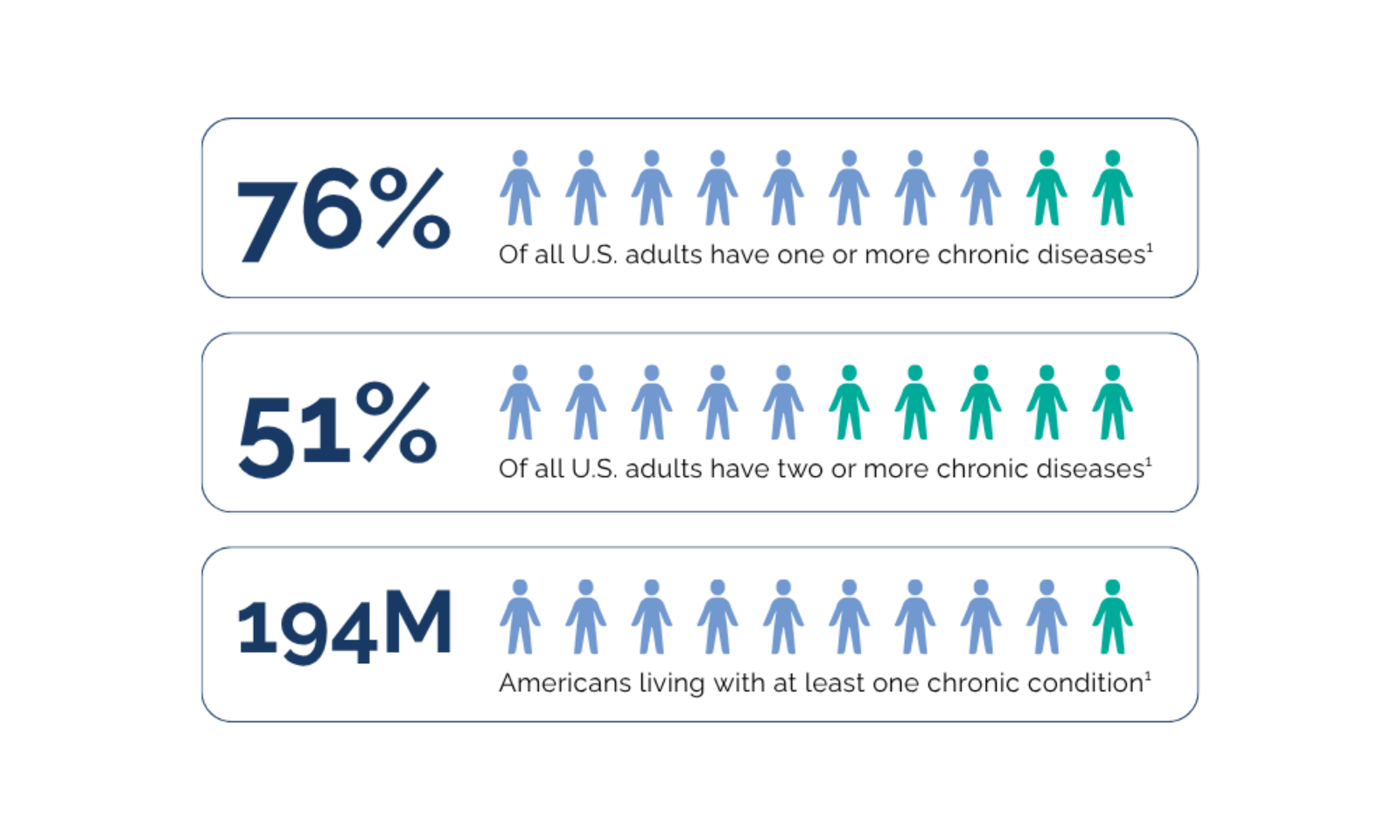
These figures, drawn from the Centers for Disease Control and Prevention and the Peterson-KFF Health System Tracker, represent a fundamental shift in what it means to be healthy in America. Chronic disease is no longer a condition affecting a minority of Americans. It is a defining feature of public health in the United States.
Chronic disease is not a condition affecting a minority of Americans, it is a defining feature of public health in the United States. Centers for Disease Control and Prevention
The youngest generation is not spared.
Perhaps most urgently, the assumption that chronic disease is primarily an older adult problem no longer holds. Between 2013 and 2023, the prevalence of chronic disease among young adults aged 18–34 rose by 7 percentage points, reaching 59.5%. Today, 60% of 18–34 year olds have at least one chronic condition — a figure that climbs to 75% among 35–64 year olds and 90% among adults 65 and older.
This means that chronic illness has become a near-universal experience by the time Americans reach retirement age, and it is arriving earlier in life.
The most common conditions driving this burden.
Which conditions are most responsible? The data point to a familiar list:
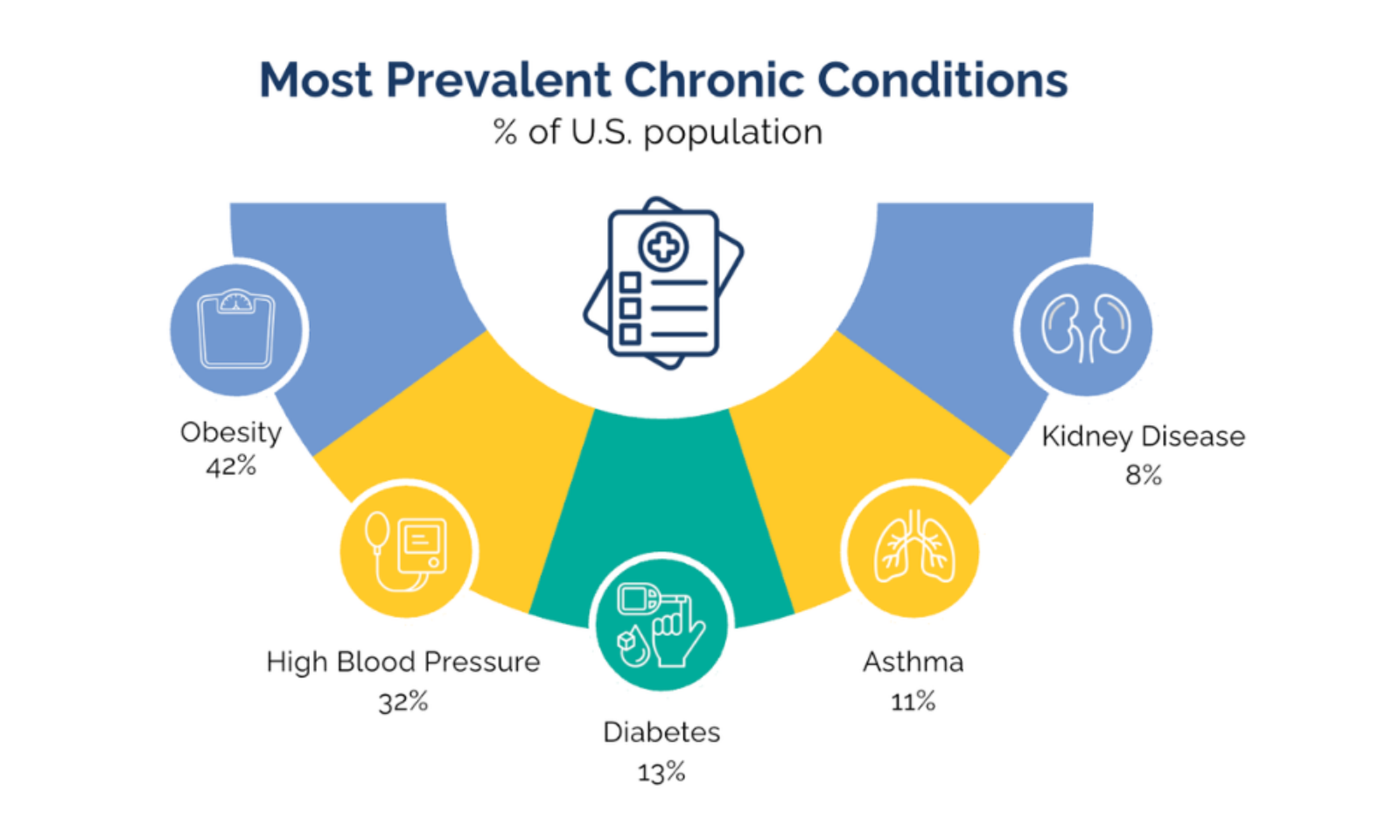
Critically, having multiple conditions simultaneously is now the norm rather than the exception. Multiple chronic conditions are the primary driver of U.S. healthcare costs and significantly complicate treatment, insurance navigation, and care coordination, creating cascading challenges for patients and their families.
The economic toll is staggering...and growing.
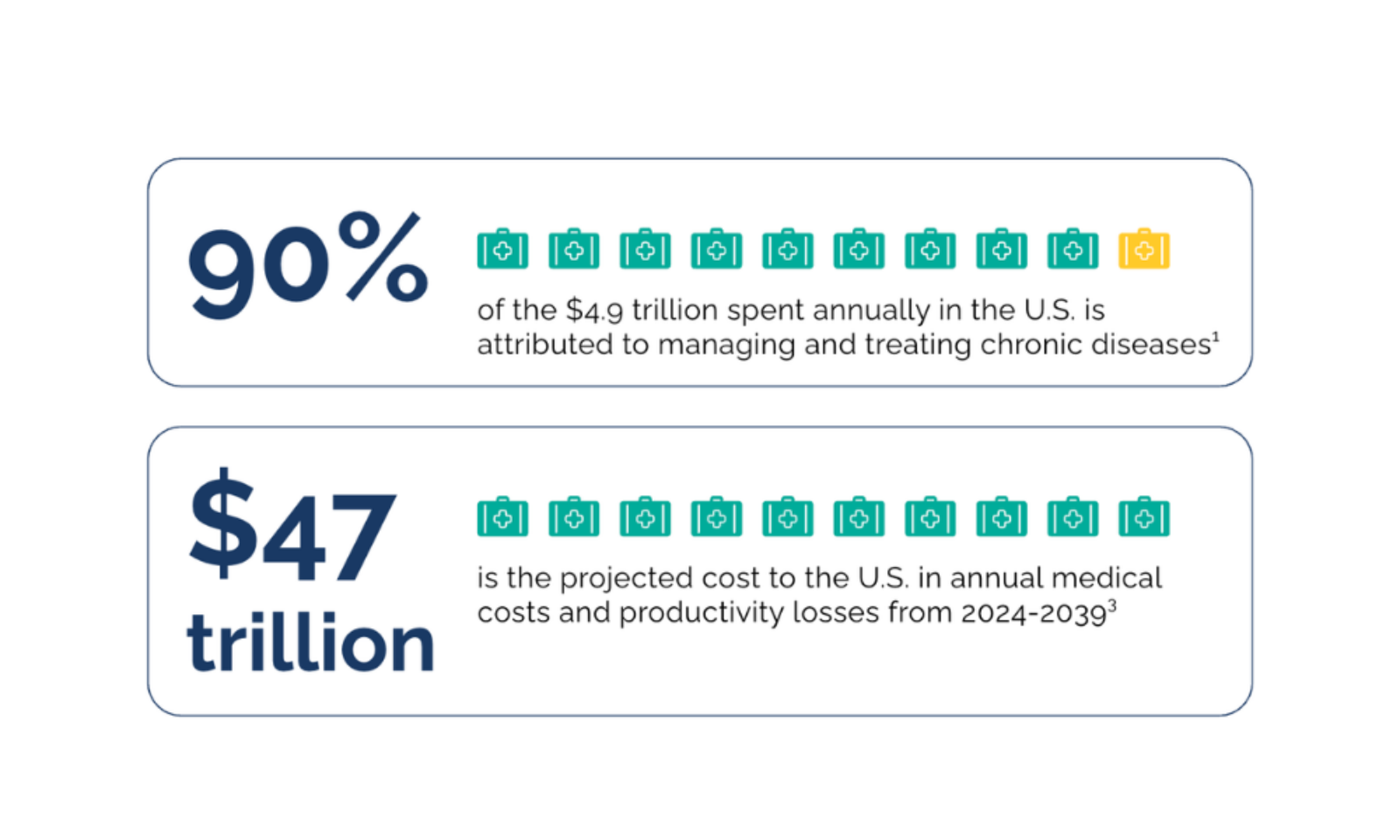
These projections from the Partnership to Fight Chronic Disease underscore that inaction is not a neutral choice. Every year that chronic disease prevention and management is underfunded, it accelerates a fiscal reckoning that will touch every corner of the American economy.
Rare disease: 30 million more Americans in need
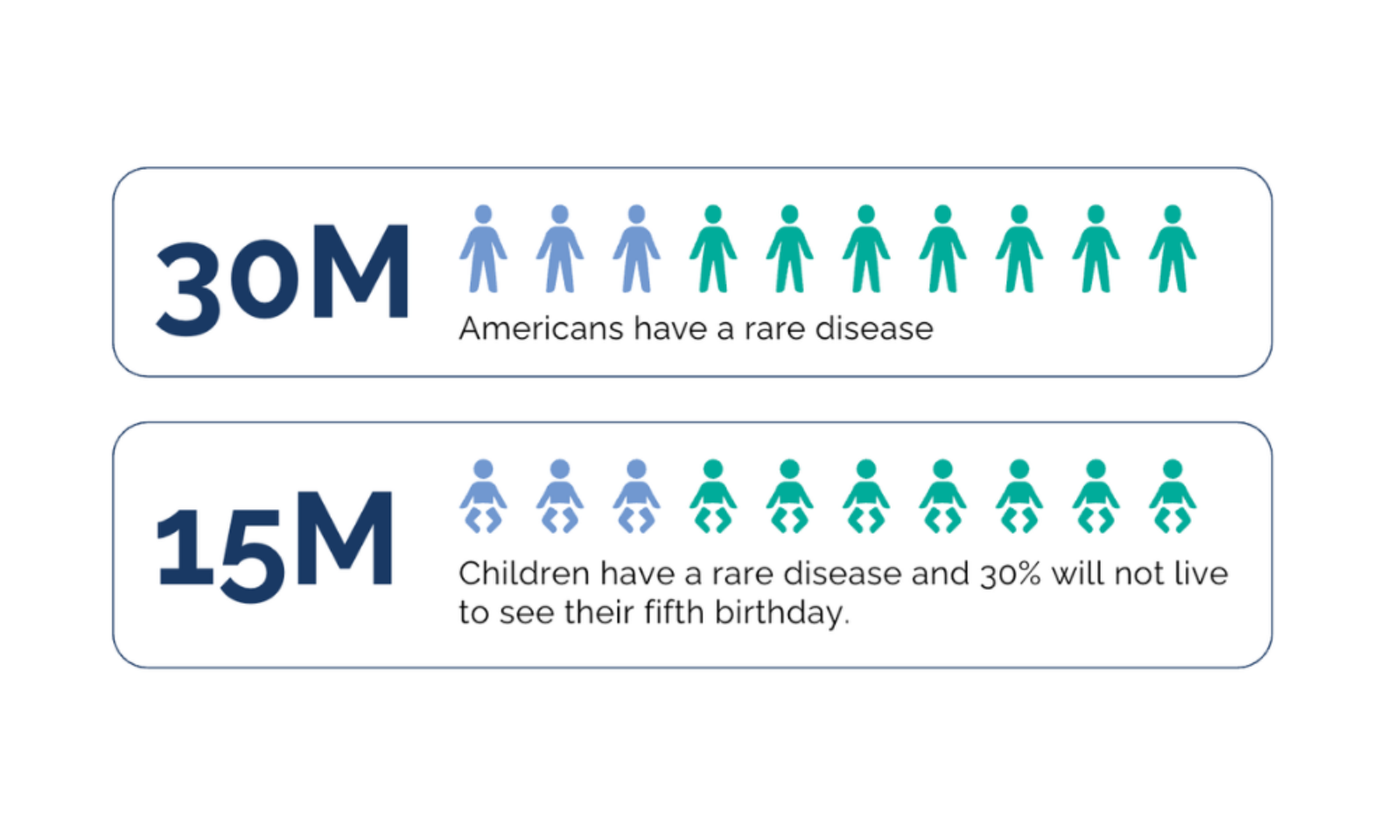
In the U.S., a disease is considered rare when it affects fewer than 200,000 people. More than 10,000 rare diseases are known — yet fewer than 5% have an FDA-approved treatment. Medical costs for rare disease patients run 3-5 times higher than for those with non-rare conditions.
The rare disease community adds 30 million more patients to an already strained system — 1 in 10 Americans, half of them children. These families face not only devastating diagnoses, but also a healthcare and policy landscape that has historically failed to prioritize their needs.
What must change: access, affordability, representation.
The Chronic Disease Coalition works at the intersection of advocacy and policy to help change these outcomes. Three priorities guide our work:
Access. All patients deserve access to comprehensive care and treatment options, not coverage gaps, prior authorization barriers, or narrow networks that leave them without support.
Affordability. Financial barriers to care are not inevitable. Smarter management of both rare and common chronic conditions, and dismantling structural cost barriers, can reduce the burden on patients and families.
Representation. People living with chronic and rare diseases must have a meaningful voice in the regulatory and legislative processes that shape their care. Policies that fail to account for how these decisions affect patient communities differently will continue to fall short.
The data are clear. The need is urgent.
Subscribe to our newsletter for twice-monthly updates on how we are advocating for the 194 million Americans living with chronic disease and how you can add your voice.
Share your story to spread awareness about important issues. We are always looking for patients who can share their experiences to evoke change.
Contact your elected leaders. This is the best way to support the chronic disease community.
View our Chronic and Rare Disease in the United States infographic and share on social media to raise awareness.